How Evidence Impacts Personal Injury Cases: What Your Lawyer Wants You to Know

Evidence plays a central role in every personal injury case. It shows what happened and supports the claim you bring forward. Many people think their personal story is enough, but the legal system depends on verified proof. Lawyers at an injury and accident law firm understand how each detail fits into the bigger picture. This explanation will help you see why evidence matters and how your lawyer uses it to protect your rights.
The Importance of Early Documentation
Time has a major influence on evidence quality. Scenes change quickly. People forget important details. Weather, repairs, and daily activity can alter key locations. Early steps help preserve valuable information. Your lawyer may advise you to take photos, write down what you remember, or save items connected to the event. The goal is to lock in facts before they fade. This approach helps ensure your case stays accurate and strong as it moves forward.
Medical Records and Consistent Reporting
Medical records are among the most powerful forms of proof in personal injury cases. Doctors document your injuries, treatments, and symptoms. These records show how the incident affected you physically and emotionally. Lawyers rely on them because they come from professionals who have no interest in shaping the story. Consistent reporting helps protect your claim from doubt. It also links your injuries directly to the event. This connection is essential in proving damages.
Witness Accounts and Their Influence

Witness statements can make a major difference. People who saw the event unfold offer details that support your version of what happened. Their accounts may also reveal information you were unable to notice at the time. Lawyers compare witness statements with other proof to avoid conflicts. Clear and dependable statements help build trust in your claim. A strong witness can highlight the unique elements of your situation and bring clarity to disputed parts of the case.
Photographic and Physical Evidence
Photos capture details that words cannot clearly express. Images of injuries, damaged property, and accident scenes offer immediate visual truth. Physical items, such as torn clothing or broken objects, can also show the force and impact involved. Lawyers use these materials to explain how events unfolded. Visual evidence supports arguments in negotiations and in court. It gives decision makers a direct look at the conditions surrounding the injury. These images often make the legal narrative easier to understand.
Digital Evidence in Modern Injury Cases
Digital evidence plays a growing role in today’s claims. Video recordings, security footage, and phone images show movement and timing with precision. Messages, timestamps, and online activity may confirm important facts. Lawyers review digital files with care because they must remain authentic to be useful. Proper handling protects their reliability. When preserved correctly, digital materials help fill gaps and support the entire case. They create a clearer picture of what occurred and how it affected you.
Ways to Handle Conflicts or Unclear Evidence
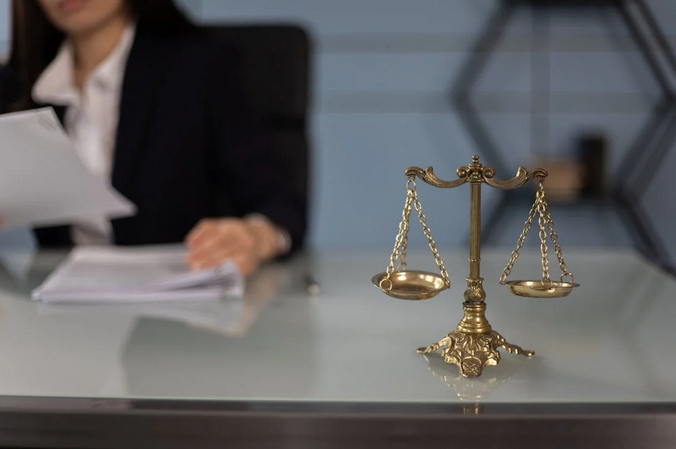
Conflicting evidence is common in personal injury cases. People recall events differently, especially during stressful moments. Lighting, noise, and surroundings can affect what someone notices. Lawyers study each conflict to understand why differences exist. They determine which parts support the full story and which parts may be mistaken. This careful review helps keep the case straightforward and believable. It also strengthens the final argument presented to insurers or the court.
How Strong Evidence Improves Outcomes
Strong evidence increases the chances of a favorable result. It gives your lawyer the tools needed to explain the case with clarity and precision. Reliable proof encourages insurers to cooperate. It also supports your position if a trial becomes necessary. When evidence is clear, decision makers waste less time on disputes and focus on the facts. This leads to smoother negotiations and better opportunities for fair compensation. Your lawyer uses evidence with the utmost care to present a complete and truthful claim that reflects your experience.
Evidence is the foundation of every personal injury case. Lawyers rely on it to build a compelling, accurate, and effective argument. Early preservation, consistent documentation, and clear visuals all support your claim. Understanding how evidence works helps you participate confidently as your case progresses. Strong and well-preserved proof guides the legal process and protects your rights.…